How To Prepare Your Car For Fall Rain And Early Cold Snaps
Tips
 2 weeks ago
Fall in Northern Indiana can bring just about anything. One day feels warm and sunny, and the next brings heavy rain, chilly mornings, or even the season’s first frost.
Those changing conditions can also reveal problems with your vehicle that weren’t obvious during the summer. Worn tires may struggle on wet roads. An aging battery may have trouble starting on a cold morning. Old wiper blades can make a rainy commute much more stressful than it needs to be.
A little fall car maintenance can help you prepare before the weather takes a turn.
Check Your Tires Before Roads Get Slick
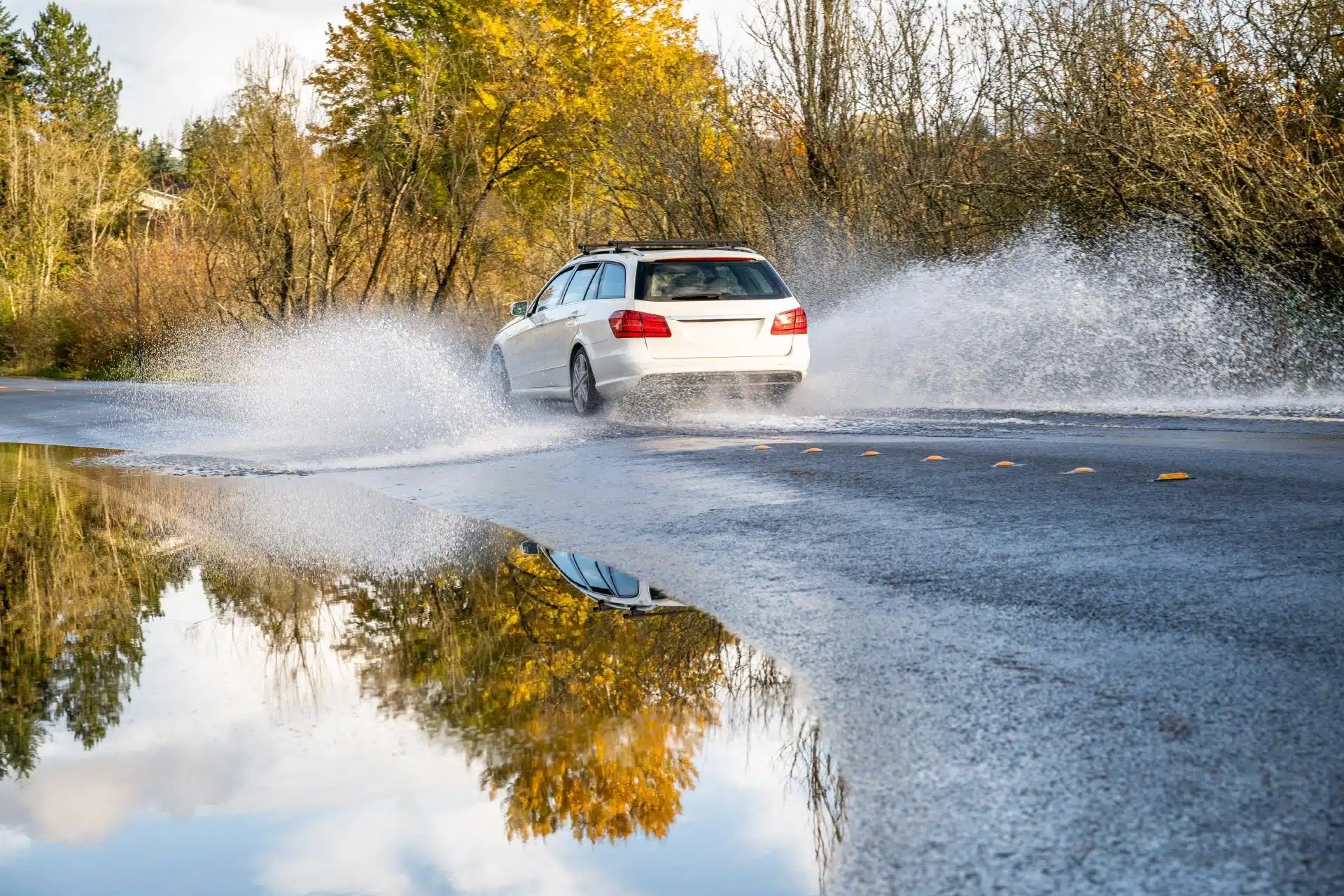
Your tires provide the only contact between your vehicle and the road, so don’t overlook them as fall rain becomes more common.
Tire tread helps channel water away and maintain traction. As that tread wears down, your tires may struggle to grip wet pavement, which can increase your risk of hydroplaning.
Before fall weather settles in, check your tires for:
- Low or uneven tread
- Cracks, bulges, or visible damage
- Uneven wear
- Incorrect tire pressure
- Frequent loss of air
Cooler temperatures can also affect tire pressure, so check it regularly throughout the season. Follow your vehicle manufacturer’s recommended pressure rather than the maximum pressure printed on the tire.
Make Sure You Can See In The Rain
A sudden downpour isn’t the time to discover your windshield wipers have seen better days.
If your wipers leave streaks, skip across the windshield, or have cracked rubber, it’s time to replace them. You should also keep your windshield washer fluid full so you can clear dirt, leaves, and road grime when necessary.
Don’t forget your exterior lights. Fall brings shorter days, cloudy weather, and reduced visibility.
Check your:
- Headlights
- Brake lights
- Turn signals
- Taillights
- Hazard lights
Good visibility isn’t just about seeing the road. Other drivers need to see you, too.
Give Your Battery Some Attention
Summer heat can take a toll on your battery, but colder temperatures often reveal the damage.
When temperatures drop, your battery has to work harder to start your engine. If it’s already weak, the first cold morning of the season could leave you reaching for jumper cables.
Include a battery check in your fall car maintenance routine, especially if you’ve noticed slow starts, dim lights, or other electrical issues. Testing the battery before temperatures drop can give you time to replace a weak one instead of waiting until it fails.
Check Your Brakes Before Driving In Wet Weather
Wet leaves and rain can create slick driving conditions, which makes reliable braking even more important.
Pay attention to how your brakes feel and sound.
Don’t ignore:
- Squealing or grinding
- A soft or spongy brake pedal
- Vibrations while braking
- Longer stopping distances
- A brake warning light
If something doesn’t feel right, have your brakes inspected. Staying ahead of brake maintenance can help you feel more confident when fall weather makes roads unpredictable.
Take A Look At Your Fluids
Fluids help your vehicle handle changing temperatures and everyday driving demands. Fall gives you a good opportunity to check levels and address leaks before winter.
Pay particular attention to your coolant. Your cooling system doesn’t only protect the engine during summer heat. The right coolant mixture also helps protect your engine as temperatures fall.
You should also check your oil, brake fluid, power steering fluid when applicable, and windshield washer fluid.
Get Ahead Of Cold Weather With Boggs
You don’t have to wait for snow and ice to start preparing your car for colder weather. Taking care of fall car maintenance now can help you catch worn tires, a weak battery, brake problems, low fluids, and other concerns before winter arrives.
Boggs Automotive provides preventative maintenance and complete automotive repair services to drivers throughout Kosciusko County. Our team can help you keep your vehicle ready for rainy commutes, chilly mornings, and whatever comes next.
Don’t let the first cold snap catch your car unprepared. Schedule your fall maintenance with Boggs Automotive today and head into the colder months with confidence.
Frequently Asked Questions
When should I schedule fall car maintenance?
Late summer or early fall gives you a good opportunity to prepare. You’ll have time to address problems before colder temperatures and winter weather arrive.
Does cold weather affect my tire pressure?
Yes. Tire pressure can drop as temperatures fall. Check your pressure regularly and follow the recommendation from your vehicle manufacturer.
How do I know if my windshield wipers need replacing?
Replace your wipers if they leave streaks, chatter, or skip across the glass, miss areas of the windshield, or have cracked or damaged rubber.
Why should I test my battery before winter?
Cold weather makes your battery work harder to start the engine. Testing it during fall can help you identify a weak battery before freezing temperatures leave you stranded.
What should I do if my brakes feel different on wet roads?
If you notice unusual noises, vibrations, a soft pedal, or reduced braking performance, don’t ignore it. Schedule a brake inspection so a technician can identify the problem.