Driving On Gravel Or Country Roads: How To Protect Your Vehicle
Tips
 4 weeks ago
Living in Northern Indiana means you don’t have to travel far to find gravel, dirt, and country roads. Whether they’re part of your daily commute or the route to your favorite weekend destination, these roads can put extra stress on your vehicle.
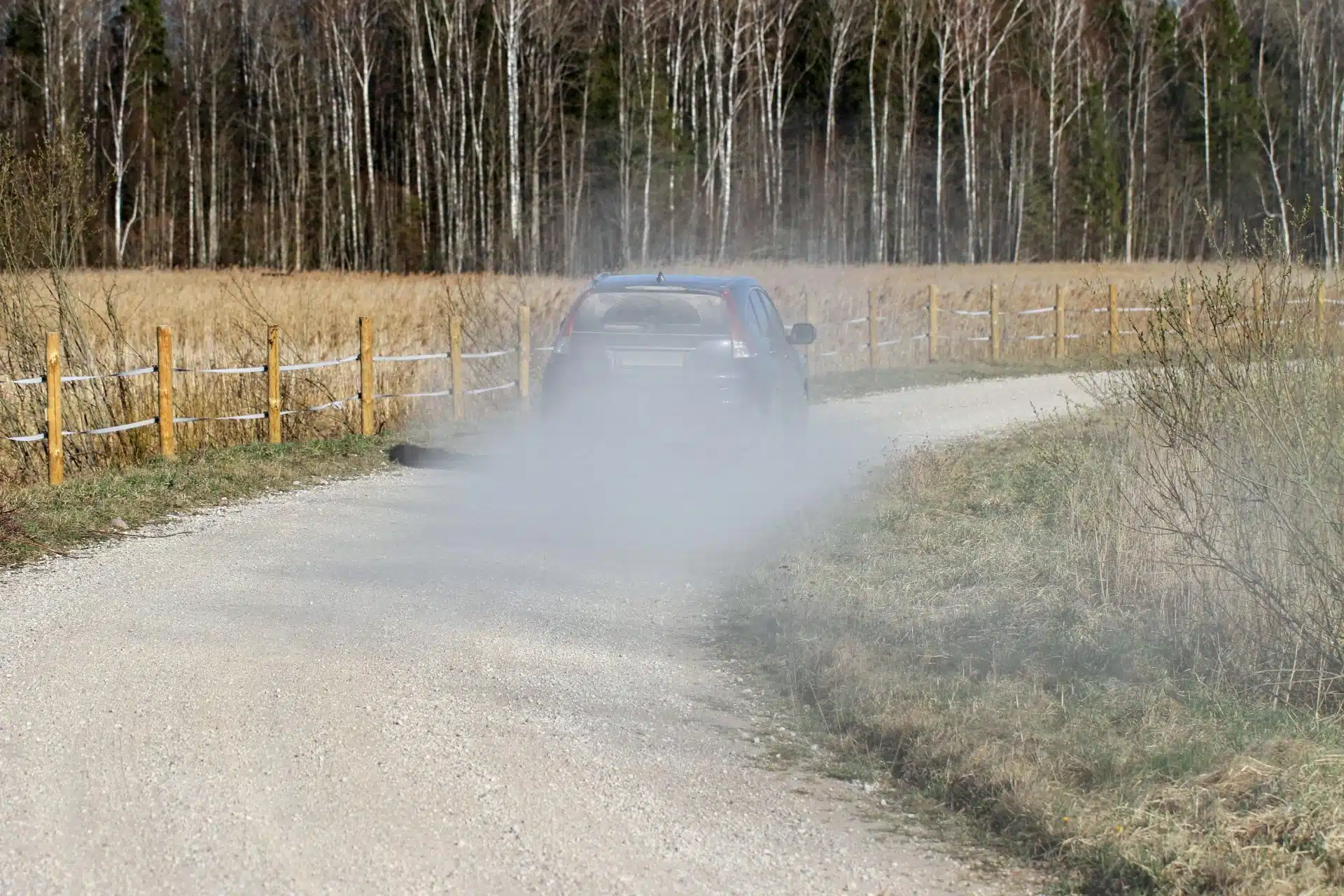
From flying rocks to potholes and washboard surfaces, driving on gravel roads can affect your tires, suspension, alignment, and even your vehicle’s paint. Fortunately, a few smart driving and maintenance habits can help protect your car.
Slow Down On Rough Roads
One of the easiest ways to protect your vehicle is also one of the simplest: slow down.
Higher speeds increase the force of rocks and debris hitting your vehicle. Speeding over potholes, ruts, and washboard sections can also put unnecessary stress on your tires and suspension.
Keep a safe speed and leave extra distance between your vehicle and the one ahead of you. More space can reduce the number of rocks and pieces of gravel that get kicked up toward your windshield and paint.
Pay Attention To Your Tires
Your tires take the brunt of driving on gravel roads. Sharp rocks, potholes, and uneven surfaces can increase the risk of punctures, uneven wear, and other tire problems.
Check your tires regularly for:
- Cuts, cracks, or bulges
- Rocks or debris stuck in the tread
- Uneven tread wear
- Low tire pressure
- Low tread depth
Don’t forget to check your tire pressure regularly, too. Properly inflated tires can improve handling and help your tires wear more evenly.
Watch For Alignment And Suspension Problems
Gravel and country roads aren’t always smooth. Potholes, deep ruts, and repeated bumps can take a toll on your vehicle’s steering and suspension components.
Pay attention if your car starts pulling to one side, your steering wheel sits off-center, or you notice unusual vibrations. These symptoms could point to an alignment or suspension problem.
You may also hear clunking or knocking sounds when traveling over bumps. Don’t ignore those noises. An inspection can help identify a worn or damaged suspension component before the problem gets worse.
Protect Your Vehicle’s Paint And Undercarriage
Loose gravel doesn’t just affect the parts underneath your car. Flying stones can chip your paint and create small areas where moisture can reach exposed metal.
Wash your vehicle regularly to remove dirt, mud, and other debris. Pay particular attention to the wheel wells and undercarriage, especially after traveling on muddy roads.
If you spot a paint chip, addressing it early can help prevent rust and corrosion from developing.
Keep Up With Preventative Maintenance
If driving on gravel roads is part of your normal routine, regular maintenance becomes even more important.
Your mechanic can check components that experience extra wear from rough road conditions, including:
- Tires and wheels
- Shocks and struts
- Steering components
- Wheel alignment
- Brakes
- Filters
- Undercarriage components
You should also keep up with oil changes and other manufacturer-recommended maintenance. Dusty conditions can expose your vehicle to more dirt and debris, so regular inspections can help you catch potential problems sooner.
Let Boggs Help Keep Your Vehicle Road-Ready
You can’t control every pothole, loose rock, or rough patch on Indiana’s country roads, but you can take steps to protect your vehicle.
Boggs Automotive provides car repair and preventative maintenance for drivers throughout Kosciusko County and surrounding areas. Whether driving on gravel roads has affected your alignment, tires, suspension, steering, or another part of your vehicle, our team can help.
Visit Boggs Automotive or Boggs Pit Stop in Warsaw, IN, or Boggs Syracuse in Syracuse, IN. Contact us today to schedule service and keep your vehicle ready for wherever the road takes you.
Frequently Asked Questions
Does driving on gravel roads damage my car?
Yes. Regular travel on gravel roads can contribute to tire wear, paint chips, alignment problems, and wear on steering and suspension components. Slowing down and keeping up with preventative maintenance can reduce the risk of damage.
How fast should I drive on a gravel road?
Always follow posted speed limits and adjust your speed for road and weather conditions. Slowing down gives you more time to react to potholes, loose gravel, animals, and other hazards.
Can gravel roads cause alignment problems?
Potholes, ruts, and repeated impacts from rough surfaces can affect your vehicle’s alignment. If your vehicle starts pulling to one side or your steering wheel no longer sits straight, consider scheduling an alignment check.
How often should I check my tires if I regularly drive on country roads?
Check your tire pressure at least once a month and inspect your tires regularly for cuts, punctures, bulges, and unusual tread wear. It’s also smart to inspect them after traveling on especially rough roads.